

What Factors Affect Your Car's Trade-In Value?

When it comes to trading in your car, you might be asking yourself, "What factors affect your car's trade-in value?" Whether you're upgrading to a new vehicle or simply looking to get the best return on your current ride, understanding these factors can make all the difference.
Serra Traverse City is here to inform drivers throughout Traverse City, Petoskey, and Glen Arbor, MI, about the factors that impact your car's value with this guide. After reading, reach out to us if you're ready to start the trade-in process.
The Basics: What is Trade-In Value?
Trade-in value is essentially the amount a dealership will offer you when you exchange your current vehicle as part of the purchase of another, which is influenced by many variables, and knowing what to look for can help you negotiate a better deal. Here are several factors that can impact your car's trade-in value.

1. Vehicle Age and Mileage
One of the most significant factors that affect your car's trade-in value is its age and mileage. Generally, the newer your vehicle is, the lower the mileage, and the higher the trade-in value. Why is that? Simply put, a car with fewer miles is typically considered to have a longer life ahead.
Think of it like this: Would you rather buy a car that's barely been driven or one that's been on the road for countless miles? Most buyers lean toward the former, and that's why age and mileage play a crucial role.
2. Overall Condition
The condition of your vehicle is another major factor. Here are a few points to consider:
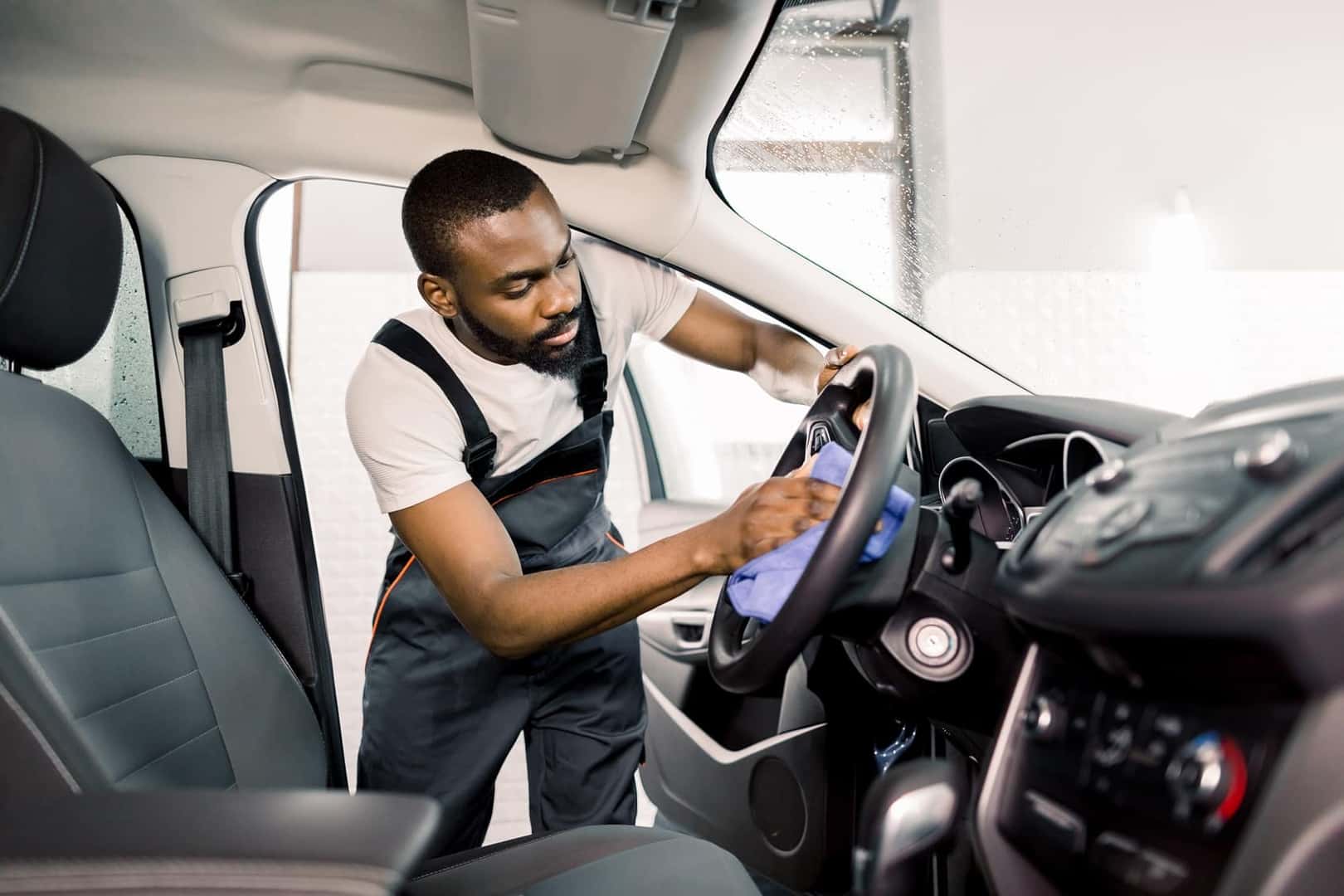
- Exterior Condition: Dents, scratches, or rust can reduce your car's value. A well-maintained exterior suggests that the owner cared for the vehicle, which can boost trade-in offers.
- Interior Condition: The cabin should be clean, free of significant wear and tear, and functioning correctly. Stains, torn upholstery, or a malfunctioning entertainment system may lower the trade-in value.
- Mechanical and Functional Condition: Does your car start smoothly? Are all the electronics working? A vehicle with a solid engine, functioning brakes, and no mechanical issues is worth more.
Dealerships will often inspect your vehicle thoroughly—so it pays to keep it in tip-top shape if you're considering trading it in.
3. Service History and Maintenance
A complete service history is like a report card for your car. It shows that the vehicle has been well cared for over the years. Regular oil changes, timely repairs, and documented maintenance work can positively affect your car's trade-in value. Even if your car isn't the newest model, a comprehensive service history tells a potential buyer or dealer that the vehicle is reliable and has been maintained with care.
If you have records of major services like timing belt replacements or new brakes, be sure to keep them handy. These details can tip the scales in your favor during negotiations.
4. Accident and Damage History
A vehicle with a clean accident history is generally more valuable. Even minor accidents can affect the value if there's visible repair work or inconsistent paint. On the flip side, if your car has been in an accident but was repaired professionally and comes with complete documentation, it might still hold a reasonable value.
5. Market Demand and Brand Reputation
Market trends play a significant role. If your car is a popular model with high demand, you will likely get a better trade-in value. Brands known for their reliability and longevity often maintain higher resale values.
6. Trim Level and Optional Features
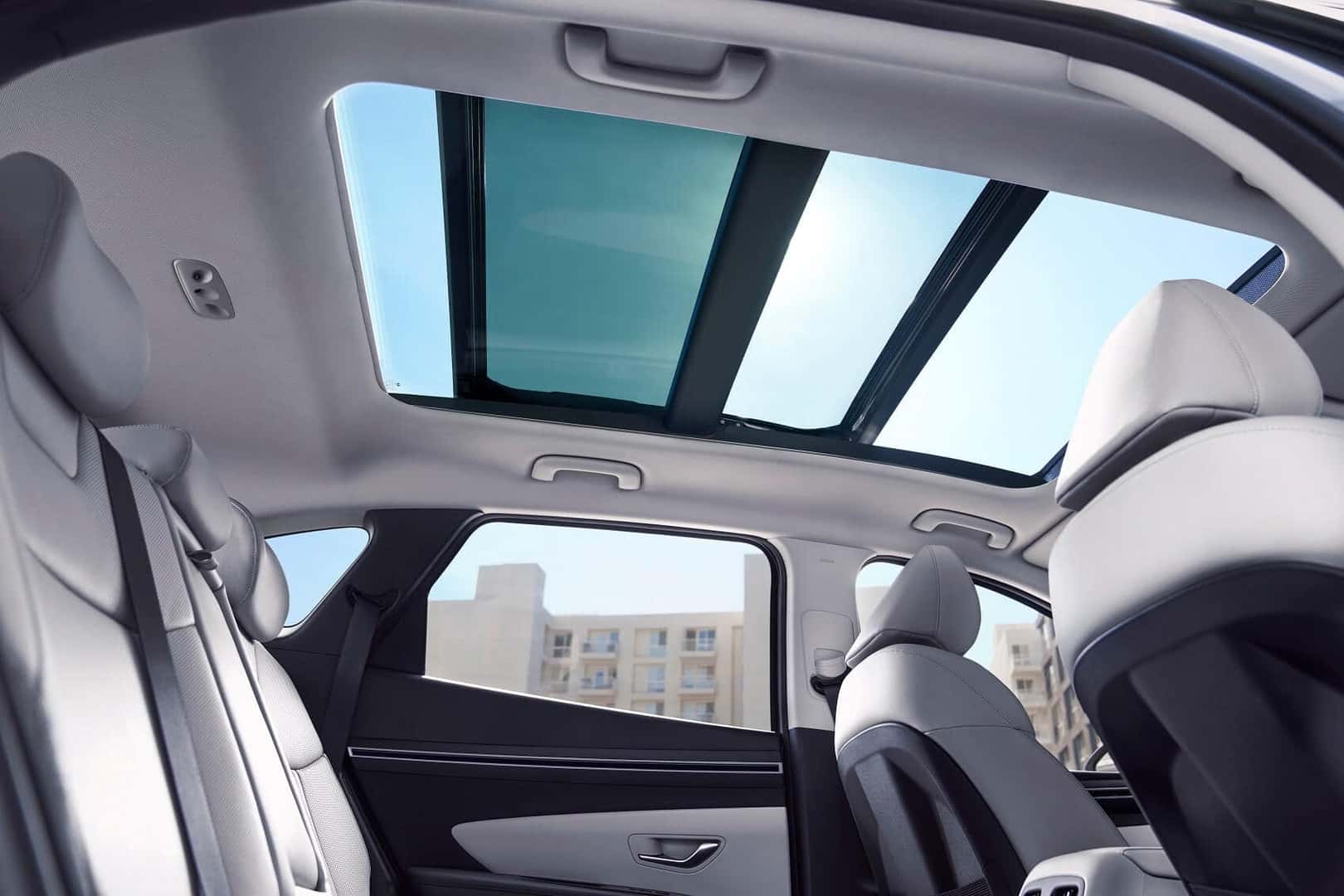
The specific trim of your vehicle and any additional features or packages can affect its trade-in value. A car with premium features like advanced safety systems, leather seats, or a sunroof might command a higher value than a base model. However, it's important to note that not all upgrades add equal value—some features have a higher return on investment than others.
Dealers look at the overall package, so if your car has a few high-end features, don't hesitate to mention them.
7. Current Vehicle Demand and Supply
Supply and demand dynamics in the used car market also impact trade-in value. If there's an oversupply of similar vehicles in your area, the trade-in value might drop due to increased competition. Conversely, if there's a shortage of the model you own, you might be able to negotiate a higher offer.
8. Modifications and Customizations
Customizations can be a double-edged sword. While some upgrades, such as performance enhancements or safety improvements, can add value, others—especially aesthetic modifications that stray from the original design—can lower it. Dealers often prefer stock vehicles because they're easier to resell to a broad audience. If your car has been heavily modified, be prepared for a potentially lower trade-in offer.
I'm Interested in Learning My Car's Trade-In Value
Now that you know about many factors that impact your car's trade-in value, you'll be better positioned to get maximum value. Serra Traverse City offers a thorough trade-in process for drivers in Traverse City, Petoskey, and Glen Arbor, MI. Contact us today and get ready to trade in your vehicle!