

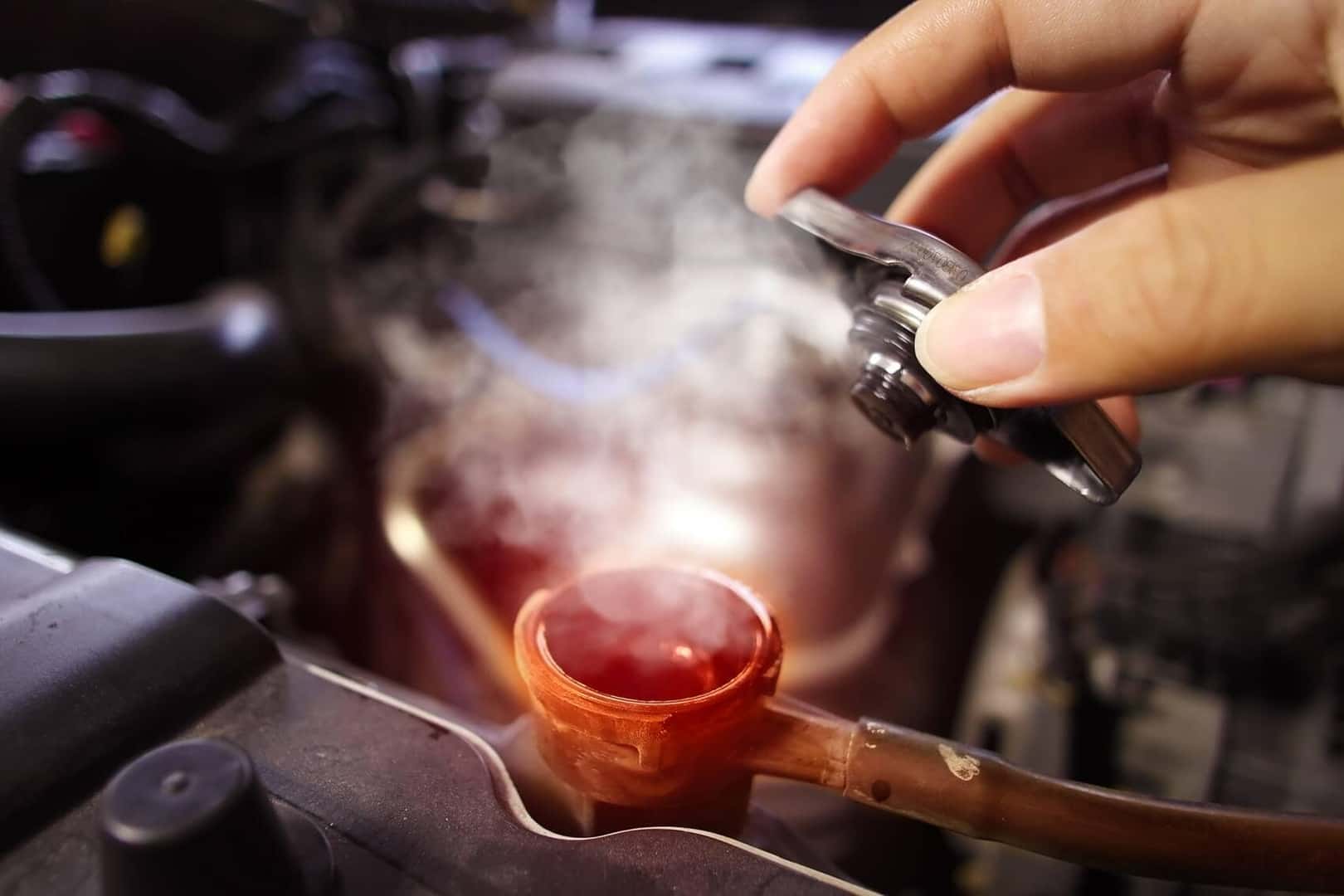
Why Is My Car Overheating?
When your car operates properly, it usually operates between 195 and 200 degrees Fahrenheit. So, what does it mean when your car overheats? It could be several different things, so getting a proper diagnosis from a qualified technician is essential. However, you’ll want to call a towing service first.
A car that is overheating is potentially dangerous, and you should not get behind the wheel until the problem is resolved. Find out what to do when a vehicle overheats and why your car is overheating. Visit our the Serra Traverse City service center for more tips from our experts near Traverse City, Petoskey, and Glen Arbor, Michigan.
What Causes a Car to Overheat
If your car’s temperature is rapidly rising, it’s a serious warning sign. Your car’s heat remains relatively stable during your commute, so overheating means something is malfunctioning. What causes a car to overheat? Well, there are factors such as:
- There’s a leak in the cooling system. Leaks in the cooling system can pop up anywhere: radiator, hoses, water pump, head gasket, and thermostat housing. If these components fail, your car cannot remove the heat from the engine.
- There’s a problem with your coolant. Coolant must be mixed in a certain ratio unless using a premixed formula. If your car gets the wrong coolant mixture, it can’t bring the temperature down.
- There’s a blockage in the coolant hose. Dirt and debris can also clog your coolant hose, causing your entire cooling system to screech to a halt.
- There’s an issue with the radiator—Radiators are another common cause of engine overheating. The issue could be a blockage, a leak, a broken fan, or any number of other issues.
- Your car’s water pump is broken. The water pump is responsible for sending engine coolant throughout the cooling system. If it leaks or is damaged, it can cause overheating.
Overheating can warp cylinder heads, ruin a head gasket, score cylinders, and damage bearings — all of which can lead to expensive repairs or even a complete engine replacement.
What to Do When a Car Overheats
The next question after “Why is my car overheating?” is usually “What should I do next?” Knowing what to do when a car overheats is essential to protecting your car and your own personal safety. We recommend stopping the car and calling a tow service immediately. If you’re stuck on a highway, you might have to buy a little extra time. In that case, blast your heater at its maximum capacity.*
This will help to remove the heat from your engine. Then, get off the road as soon as possible and call for assistance.
Steps to Prevent Car Overheating
The good news is that many overheating problems are preventable with simple maintenance and attention.
Preventive steps you can take today include:
- Keep coolant at the right level and mix. Use the manufacturer-recommended coolant and maintain the proper concentrate (unless it’s a premixed bottle).
- Follow a coolant-flush schedule. Old coolant loses corrosion inhibitors and boiling-point protection; flushing at the intervals in your owner’s manual keeps the system working well.
- Inspect hoses, belts, and clamps. Replace brittle or swollen hoses and worn drive belts before they fail.
- Check the radiator and cap. A clogged radiator or a faulty cap can reduce system pressure and lower the boiling point.
If your car overheats, call for a tow and bring it to our service department — we’ll diagnose the root cause and recommend the proper repair so your next trip is a breeze.
FAQ
Q: Will adding water or coolant on the side of the road help?
A: Adding a little water can temporarily get you to a safe location or a tow truck, but it’s not a long-term fix. Use coolant when possible and top off to the proper level only after the engine has cooled.
Q: Why does my car overheat when stopped but not when driving?
Q: Can an overheated engine be repaired?
Q: Can a car overheat in cold weather?
Q: My car overheated once — will it happen again?
Learn More About Why Your Car is Overheating Today
Now you know what causes a car to overheat and what to do if it happens to you. So if you have any concerns about your own vehicle, be sure to reach out so you can invest in safe drives to East Bay Park. Contact us with your questions or schedule an appointment near Traverse City, Petoskey, and Glen Arbor, MI. We’ll ensure your car is in the best shape for your upcoming adventures!
*SOURCE – Firestone
Leave a Message Below
Dealer Info
- Call Us:(231) 486-0896
- Service:(231) 947-2600
- Mon - Fri8:30 AM - 6:00 PM
- Sat10:00 AM - 3:00 PM
- SunClosed
- Mon - Fri7:30 AM - 6:00 PM
- Sat - SunClosed
- Mon - Fri7:30 AM - 5:00 PM
- Sat - SunClosed