

Why Does My Car Shake When Braking?
If you’re thinking, “Why does my car shake when braking?” it’s essential to know the answer. When a car trembles when braking, it can be a few different things. For many drivers near Traverse City, Petoskey, and Glen Arbor, Michigan, it’s most likely brake-related.
Learn more about scheduling your next service appointment with our service center at Serra Traverse City.
What Causes Braking Issues?
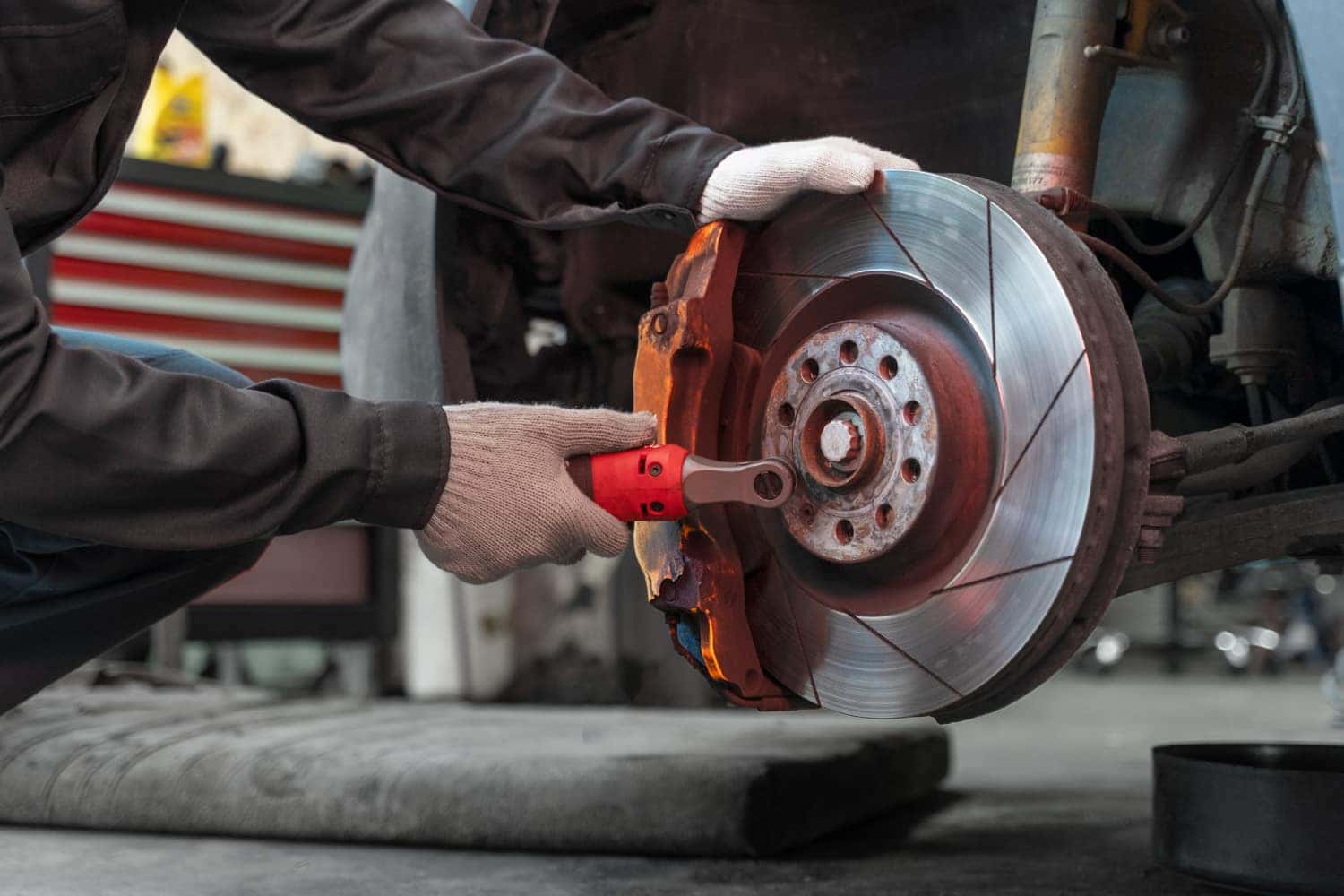
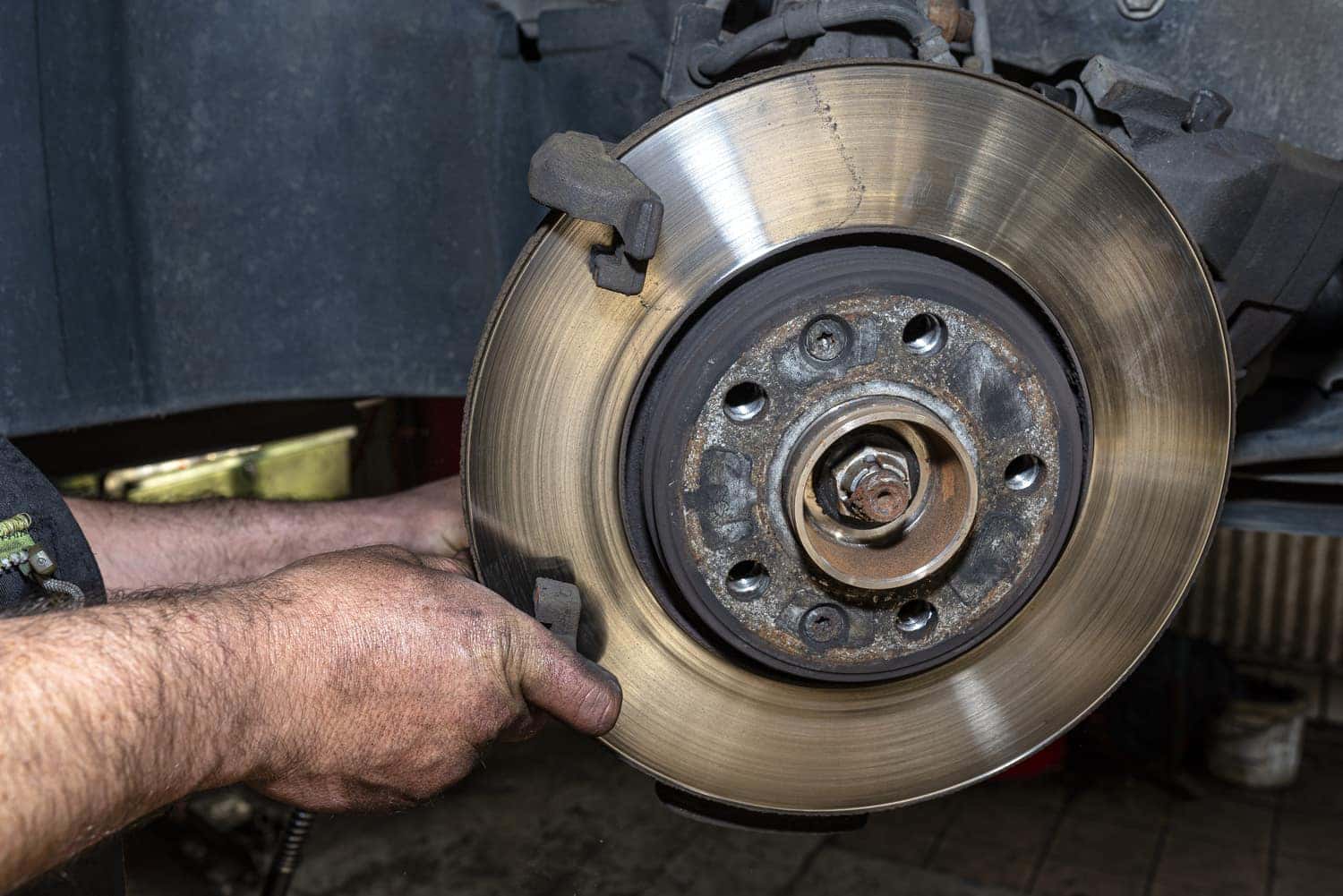
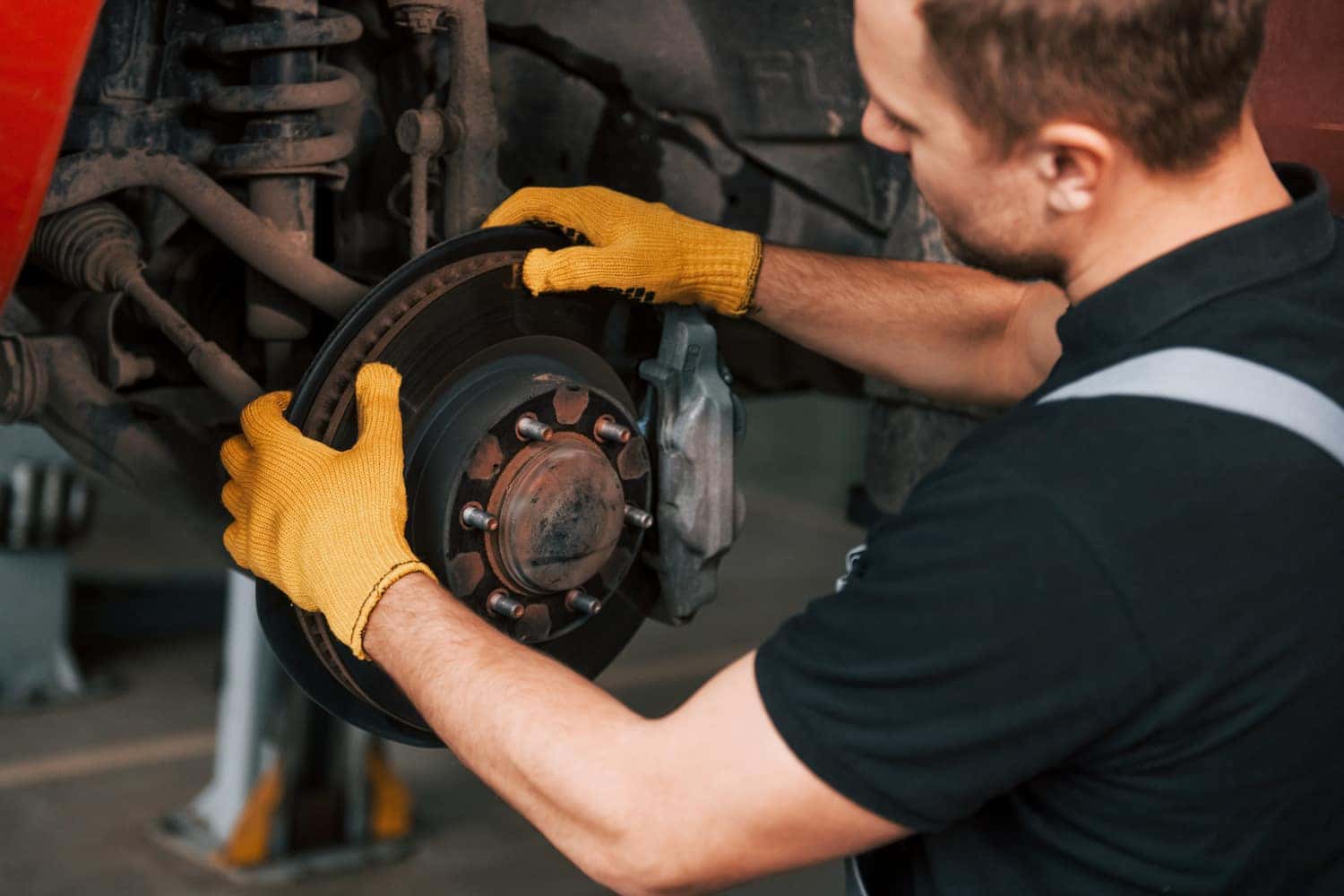
Usually, a car trembles when braking because its brake rotors may be warped or damaged. Brake rotors are the large metal discs your pads clamp onto to stop the car. They work with your car’s brake pads to stop your wheels from spinning.
Over time, repeated heating and cooling can cause rotor surfaces to become uneven or “warped.” When brake pads grab a warped rotor, they hit spots of varying thickness, making the car shake and the brake pedal pulsate. In fact, many experts agree that uneven or warped rotors are the most common cause of shaking during braking.
Your rotors will get thinner as they naturally age and get used every day as you’re driving.
Excessive heat generated from braking can warp your rotors and make your brake pads slip, making the trembling feeling you may be feeling yourself.
Replacing Brake Parts
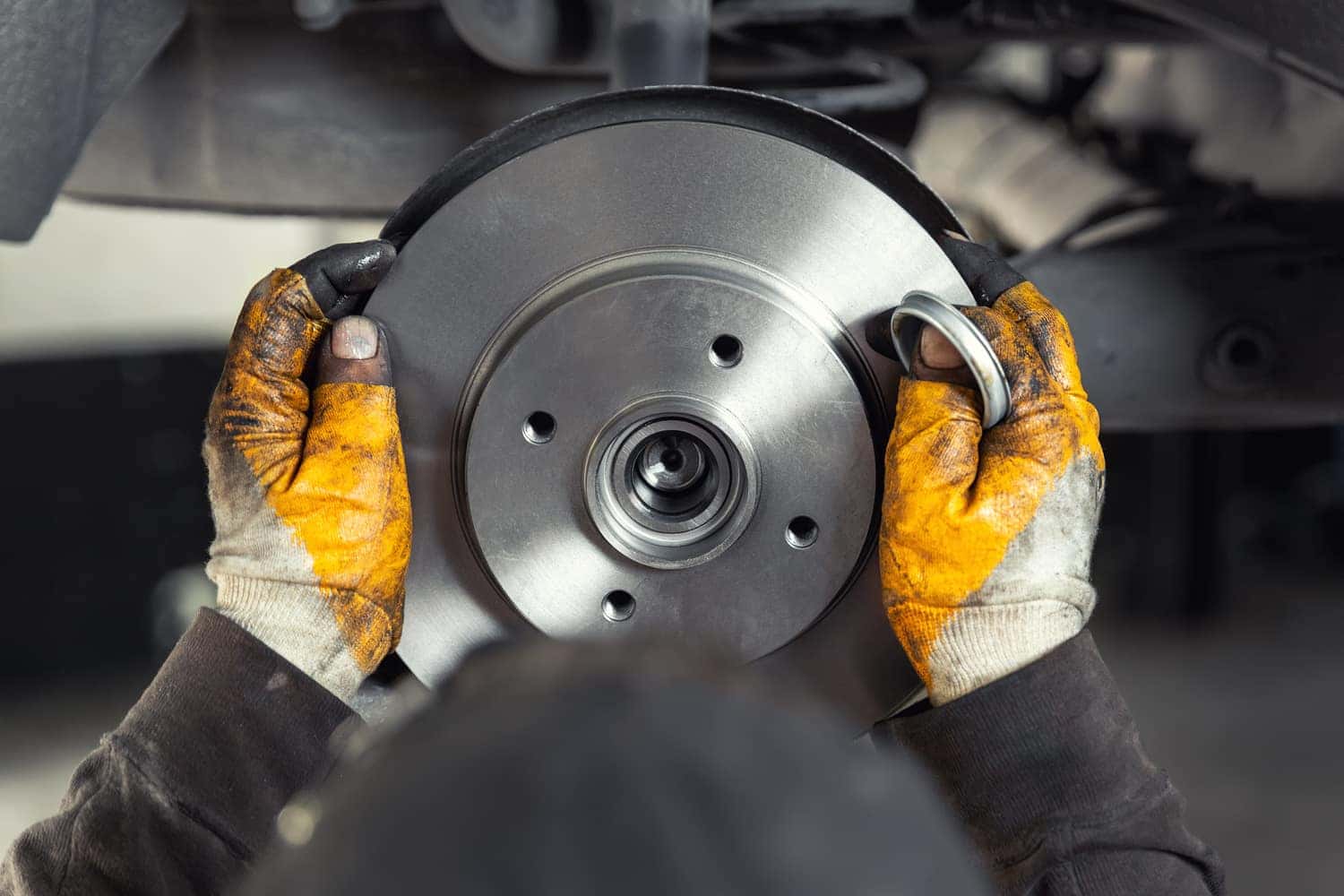
Brake rotors last from 20,000 to 60,000 miles, so shaking may mean it’s time to replace them.* You may be due for a replacement sooner, depending on how often and how you drive.
Brake pads themselves can also cause vibration. As pads wear down, they may glaze over or change shape, so they no longer apply pressure uniformly. Wearing pads are likely to blame if you hear a high-pitched squeal and feel shaking.
In either case – warped rotors or old pads – replacement or resurfacing usually restores a smooth stop. If your model is starting to shake, it’s time to have a brake inspection.
Brake Service and Maintenance
Several other issues can contribute to a shaking brake pedal, such as:
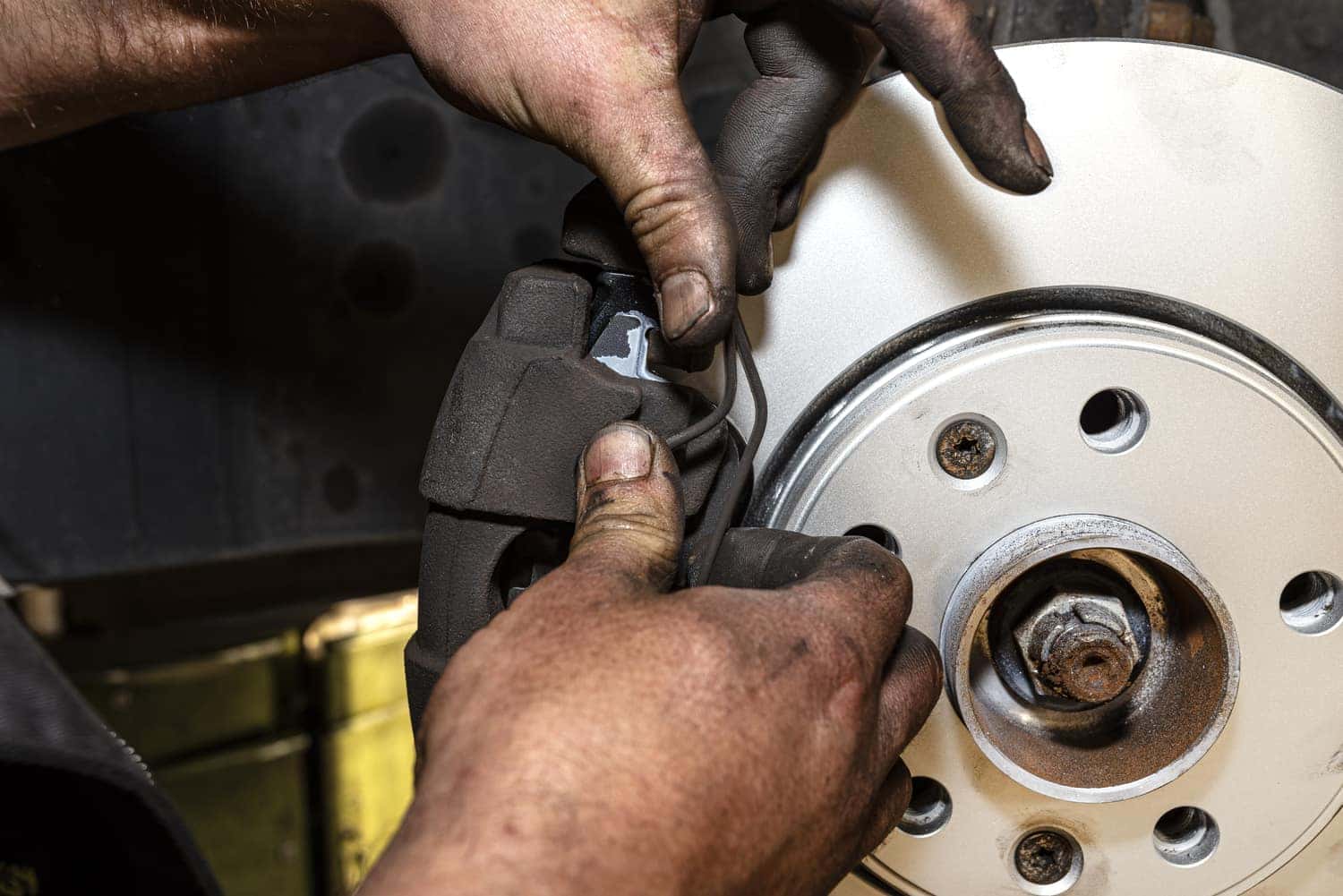
- Stuck or Seized Calipers: A caliper that isn’t sliding smoothly can clamp one side harder than the other or stick on the rotor. A seized caliper can cause one wheel to drag and cause jerking under braking.
- Contaminated Brake Fluid: Over time, brake fluid absorbs moisture and debris. Dirty fluid can compress unevenly and lead to a jerky pedal feel. Regular brake fluid flushes help prevent this.
- ABS Malfunctions: If an anti-lock braking sensor fails, the pump may activate at odd times, producing unexpected pulsing or shaking as you slow down.
In short, any component that affects how smoothly the wheels slow can cause vibration. A thorough brake inspection includes checking rotors, pads, wheels, suspension parts, fluid, and more.
Tire Alignment and More
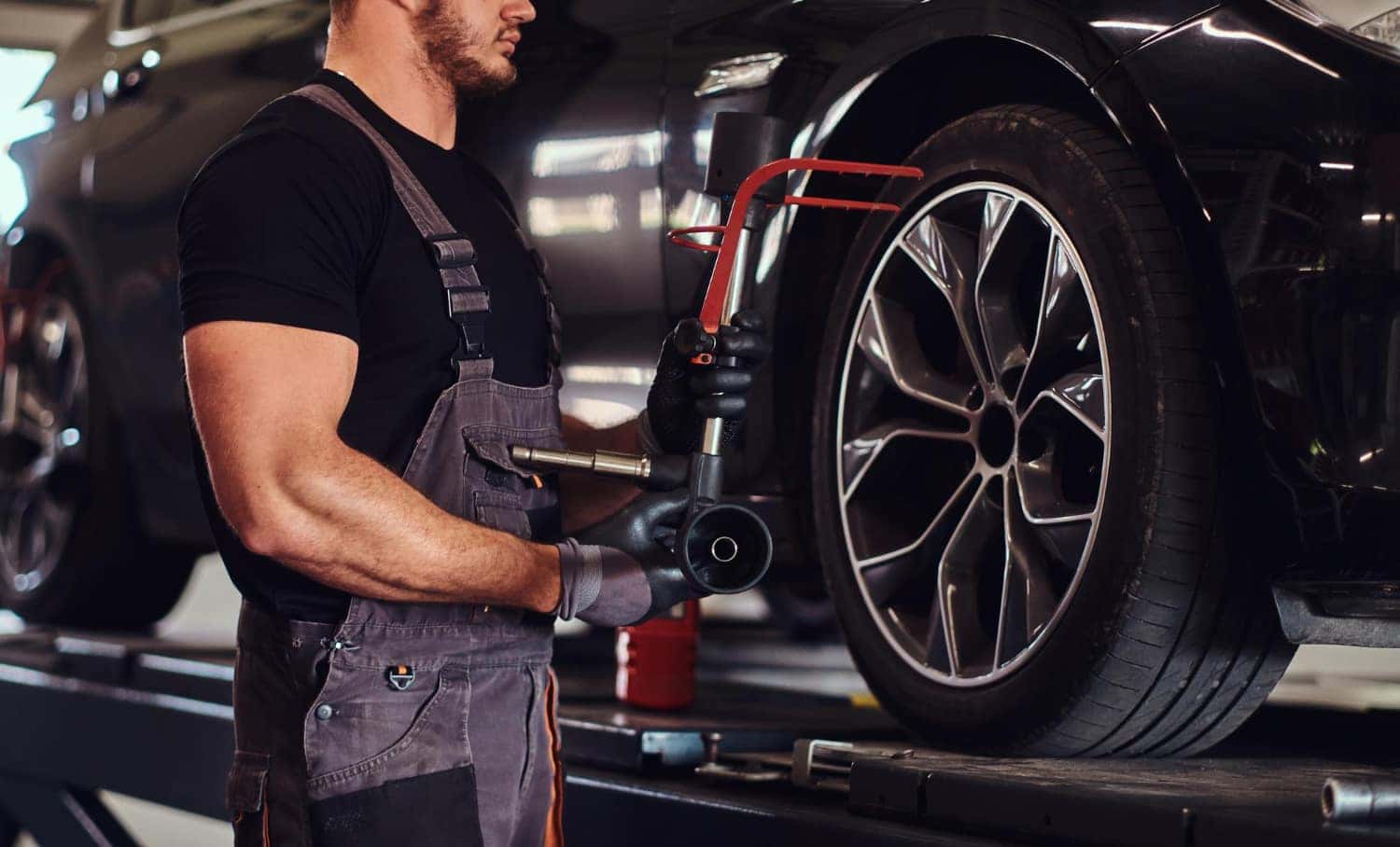
Your car’s tires may be out of alignment or just getting older. When either is the reason, your car’s suspension will have to work harder, and hitting something like a pothole or curb can alter your alignment. You may also feel your steering wheel struggling with you if your suspension or tires are out of sync.
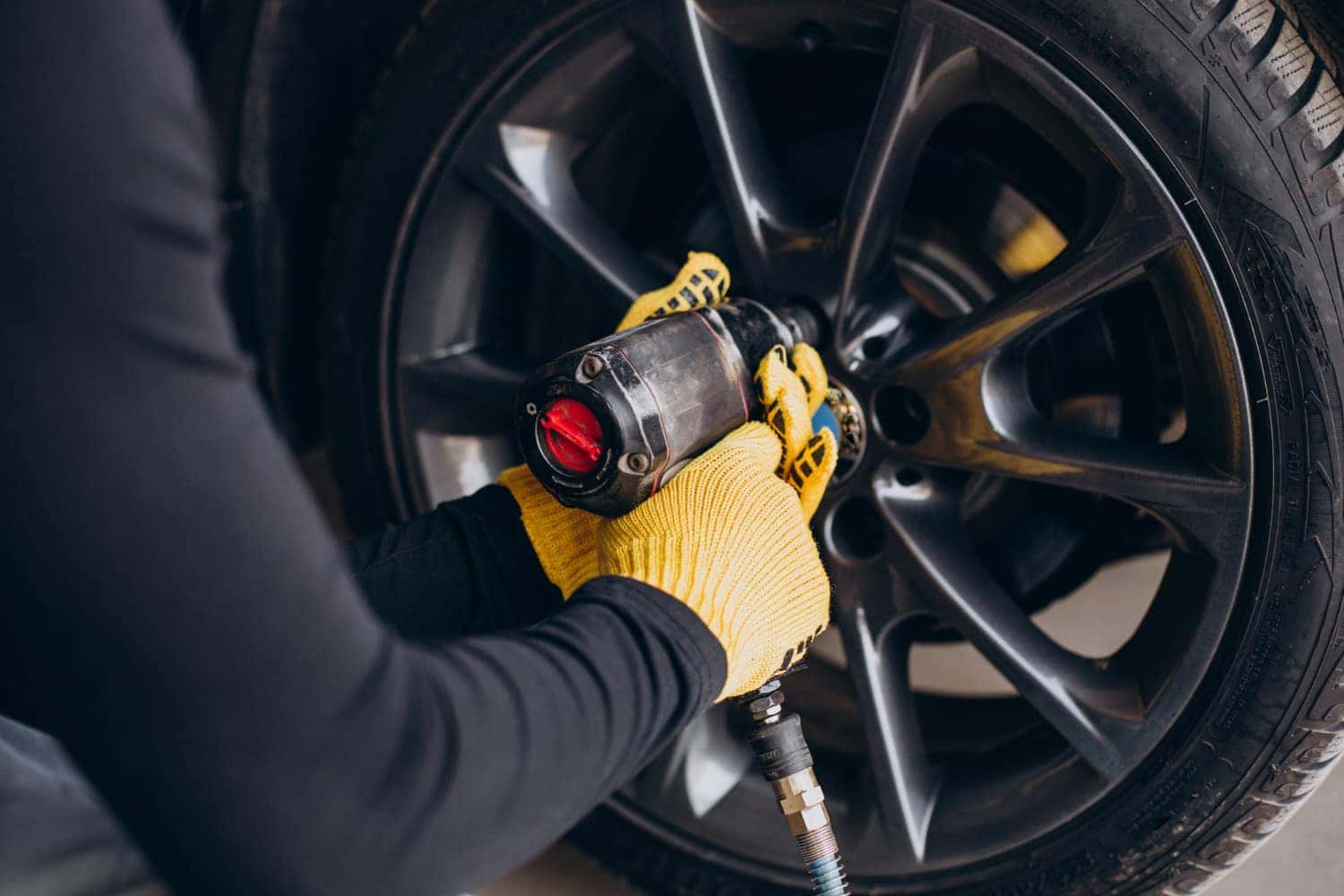
The car’s alignment is checked during a routine tire rotation, and we generally recommend these every 5,000 to 7,500 miles. Always check your owner’s manual for more specific information.
About Your Car’s Suspension
If you’re feeling shaking while braking and driving regularly, your suspension or steering system may be off. There are also cases of a damaged part, like an axle shift, that can cause issues when you’re coming to a stop.
When you come in for general maintenance, asking for a general vehicle inspection is not a bad idea. These include steering and suspension checks on your vehicle.
How to Diagnose and Fix Brake Vibration
If your car is shaking under braking, the fix depends on the root cause. A qualified mechanic will measure rotor flatness, check pad thickness, balance the wheels, and inspect alignment and suspension.
Simply replacing or resurfacing warped rotors and installing new pads often eliminate the pulsation. Likewise, rebalancing tires or realigning wheels will smooth out road-induced shakes. For example, having tires balanced helps prevent speed-dependent vibration.
Whatever the cause, make sure you schedule care. Vibration means your brakes aren’t working as smoothly as they should, which can reduce stopping power and safety. Addressing a shaking brake pedal promptly (rotors, pads, suspension, etc.) restores comfort and keeps your braking system performing optimally.
About Our Service Center
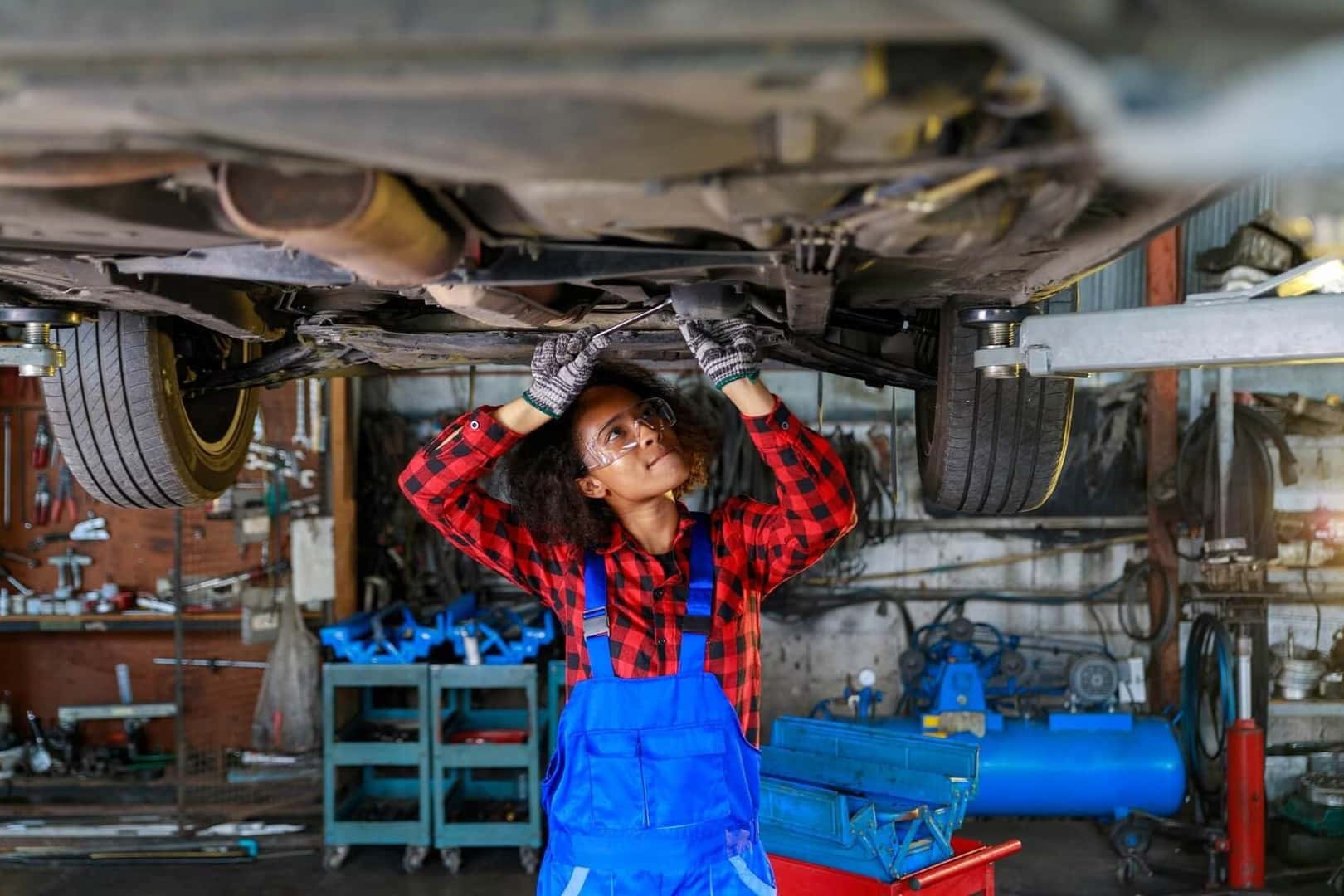
If your car trembles when braking or driving, there can be a variety of reasons. Our best recommendation is to bring your car to a service center like ours for a diagnosis so that potential problems can be nipped in the bud before they grow any bigger.
Our service center is conveniently located nearby and ready to help. Our expert technicians know local driving conditions – from winter roads to rural routes – and how they can accelerate brake wear. We perform complete brake inspections at our facility, examining rotors, pads, tire balance, alignment, and suspension to pinpoint the vibration source.
We’ll get it done efficiently if it’s rotor resurfacing, pad replacement, tire balancing, or suspension repair. Plus, we offer rotating service specials to help keep maintenance costs down.
If your car shakes when braking, bring it into our service center so our team can diagnose the exact problem and get you back on the road safely. We’ll explain the necessary repairs – whether replacing warped rotors, realigning wheels, fixing a stuck caliper, or simply rebalancing tires – and work with you on options and pricing.
FAQs
Why does my steering wheel only shake when I brake and not at other times?
Vibrations only during braking usually point to brake-related issues. The most common cause is warped brake rotors, which only affect the car when pads clamp down on them.
Can a bad wheel bearing cause my car to shake when braking?
Yes. A worn or loose wheel bearing lets the wheel hub and rotor wobble under load. This can produce a shaking sensation when you brake, much like warped rotors do.
How can I prevent my car from shaking when I brake?
Regular maintenance is key. Keep your tires properly inflated and balanced, and get wheel alignments as needed. Inspect brakes, including pads, rotors, and fluid, at least annually.
Resolve Your Car Shaking While Braking near Traverse City MI Today
If your car is shaking when braking, bring it into our service center in Traverse City so that we can help figure out what exactly is going on. We offer rotating service specials and will do our best to help diagnose what is happening in your vehicle’s system to help you enjoy smooth drives near Bryant Park. Contact us today!