

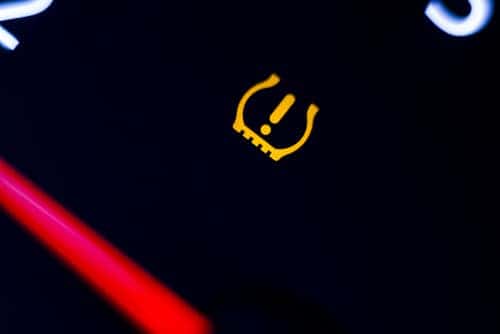
What Does TPMS Mean?
As a responsible driver, you likely want to get to know the ins and outs of your vehicle. If you’ve ever seen your dashboard warning lights pop on during your commute from Traverse City to Petoskey, and Glen Arbor MI, then you know more than most the importance of understanding the needs of your car. So, what does TPMS mean? TPMS stands for Tire Pressure Monitoring System, a feature that uses tire pressure sensors to gauge the air level in your tires.
If one or more of your tires is running low, the tire pressure monitoring system light will turn on in the dashboard to alert you of the issue. Whether you drive a Volkswagen or a Cadillac, you can count on your vehicle to keep you informed through the TPMS light. Read on below to learn more about proper tire care!

Tire Pressure Monitoring System Features
The purpose of your TPMS is to keep tabs on the air level inside your tires. When the air volume drops below a safe level, the TPMS light will turn on to give you a warning. Your tire pressure monitoring system warning light may look like a flat tire with an exclamation mark in the middle, or it may simply display the illuminated letters “TPMS.” When you see this light, it means your tires are underinflated, which can lead to:
- Poor traction
- Decreased load-carrying capability
- A flat tire or blowout
- Poor fuel economy
According to the National Highway Traffic Safety Administration (NHTSA), properly inflating your tires can save you as much as 11 cents per gallon on fuel. Yet only 19 percent of consumers properly inflate their tires.*
In the short term, proper tire inflation will protect you from a potential accident by helping you retain control. Over the long haul, proper tire care will optimize your fuel economy and performance. Along with that, keeping your tires at the proper air pressure will prevent uneven or premature wear and tear.
How TPMS Sensors Work
Your vehicle’s Tire Pressure Monitoring System relies on sensors installed in each tire to track air pressure in real time. There are two main types of TPMS: direct and indirect. Direct TPMS sensors measure the exact pressure inside each tire and transmit this data to the car’s computer. Indirect TPMS systems don’t measure air directly; instead, they monitor wheel speed and other parameters to detect changes that indicate underinflation. Understanding the type of TPMS your vehicle uses helps you respond effectively when the warning light comes on and ensures you maintain safe driving conditions.
Common TPMS Issues and How to Handle Them
Sometimes the TPMS light may stay on even after you inflate your tires. This could be caused by a sensor battery running low, a malfunctioning sensor, or recent tire service such as rotation or replacement. To troubleshoot: check your tire pressure manually, reset the system if your vehicle allows it, and inspect for visible damage to the tires. If the light persists, visit a certified service location to inspect the sensors. Addressing these issues promptly helps you avoid unexpected tire problems and ensures your TPMS functions correctly when you need it most.
TPMS and Safety: Why It Matters
Maintaining the proper tire pressure is more than a convenience—it’s a critical safety measure. Underinflated tires can increase stopping distance, reduce traction, and raise the risk of blowouts. Properly inflated tires not only enhance vehicle control but also improve fuel economy and prevent premature tire wear. By paying attention to your TPMS and addressing alerts promptly, you protect yourself, your passengers, and your investment in your vehicle.
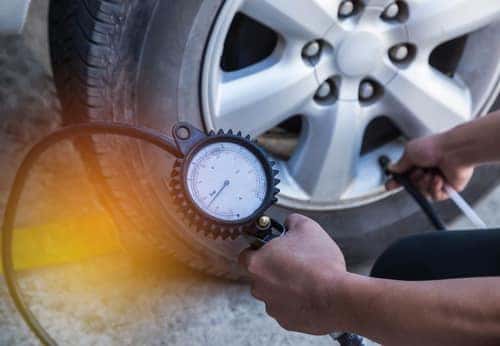
Proper Tire Inflation
Both over- and under-inflated tires can cause unwanted issues behind the wheel. On the flip side, properly inflating your tires will:
- Reduce tread movement, thus increasing the lifespan of the tire
- Reduce rolling resistance to increase vehicle efficiency
- Increase water dispersion, which decreases the chances of hydroplaning
Your owner’s manual is your best resource for determining the proper psi for your tires. Keeping your tires properly inflated is a simple task that can go a long way towards helping you save in the long run. When you need to add air to your tires, you have several options:
- Visit any local gas station, as most have a tire pump area.
- Take a trip to any of our service locations for a quick tire refill.
- In an emergency, you can even use a bike pump to add air to your tires.
Our team is always ready to help ensure your tires are properly maintained. At any of our service centers, certified technicians can check tire pressure, inspect for uneven wear, and top off air levels quickly and efficiently. Maintaining correct tire pressure not only improves safety and performance but also provides peace of mind on every drive.
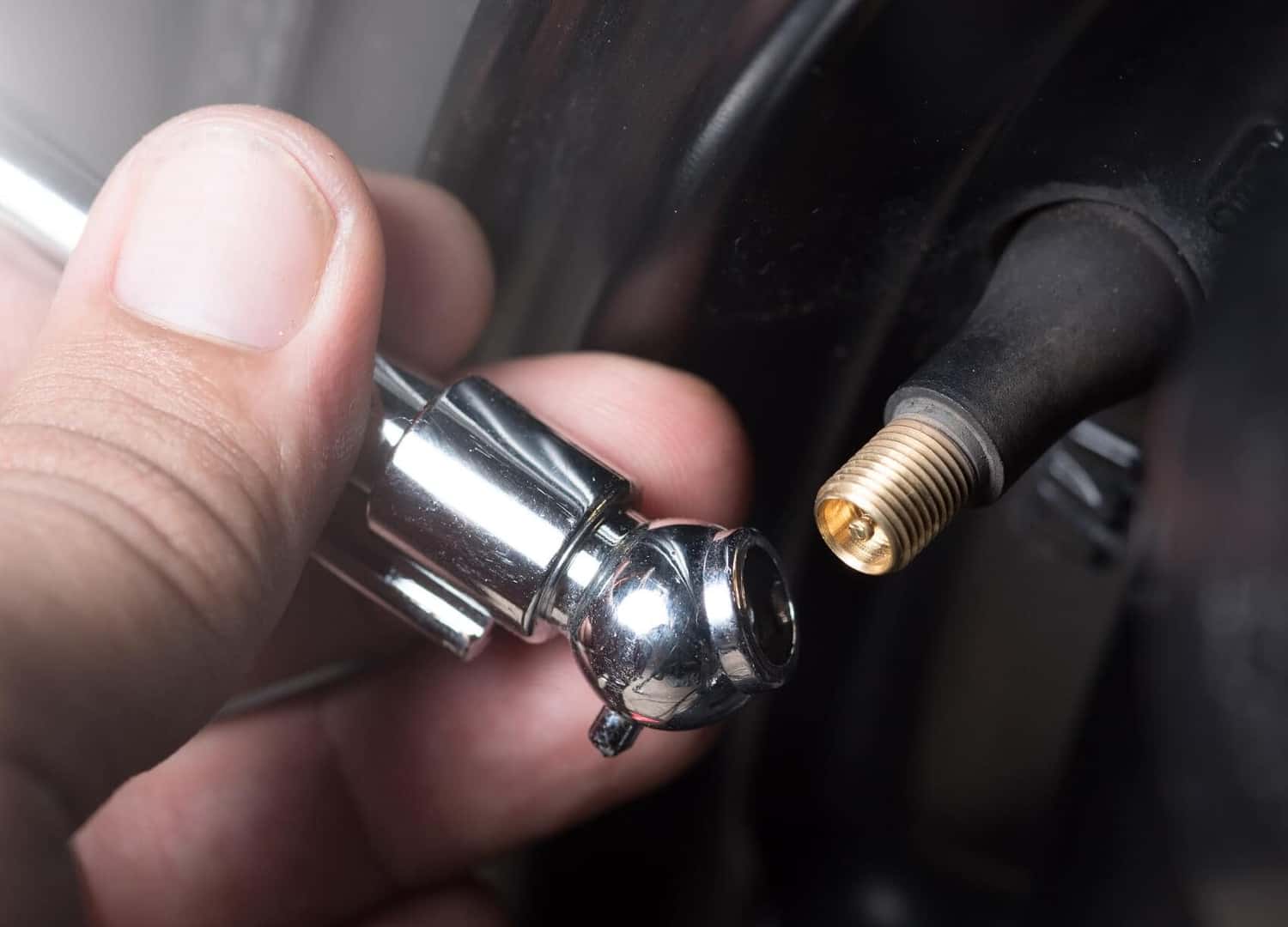
Seasonal Tire Care Tips
Tire pressure naturally changes with temperature, and TPMS can help you monitor these fluctuations. Cold weather can reduce air pressure, while hot weather can slightly increase it. It’s a good practice to check your tires monthly and adjust the PSI according to your owner’s manual. Seasonal awareness prevents underinflation or overinflation, reduces the risk of hydroplaning, and maintains optimal fuel efficiency. Combining manual checks with your TPMS alerts ensures your tires are safe and performing efficiently year-round.
What does it mean if my TPMS light flashes?
A flashing TPMS light often indicates a malfunction in the system rather than low tire pressure. It’s important to have your sensors checked by a certified technician to ensure accurate monitoring.
Can I drive with the TPMS light on?
You can drive short distances with the TPMS light on, but it’s best to check your tire pressures immediately. Driving with underinflated tires for extended periods can be unsafe and cause uneven tire wear.
How often should TPMS sensors be replaced?
TPMS sensors typically last 5–10 years, depending on usage and battery life. Signs they may need replacement include frequent false alerts, failure to reset, or sensor battery depletion.
Keep Your Vehicle Running Smoothly With Serra Traverse City
Now that you can answer the question, “What does TPMS mean?” you’re ready to handle car care like a professional. If you need service tips for your DIY tasks, contact us for guidance. As always, our service team is here to help you with all things automotive near Locations: Traverse City, Petoskey, Glen Arbor, Michigan!
*Source: NHTSA
Leave a Message Below
Find Us
More from Serra Traverse City
Serra Subaru of Traverse City & Great Lakes Humane Society Pet Adoption Event
🐾🧡 What a Pawsome Day! 🧡 🐾 Serra Subaru of Traverse City was thrilled to team up with the Great Lakes Humane Society for Saturday’s pet adoption event right here in our Subaru showroom! 💕 🐶🐱 💕 Thanks to our amazing community, several furry friends found their forever homes today, and our hearts couldn’t be fuller….
Serra Subaru Loves Pets! Adopt your furry friend Oct. 11, 2025!
Join us on Saturday, October 11, 2025 from 12:00 pm – 3:00 pm at the Serra Subaru of Traverse City Showroom to adopt your forever furry friend. We are also filling a Subaru Outback with pet supply donations for the Great Lakes Humane Society all month long. We are accepting donations in our Subaru Showroom….
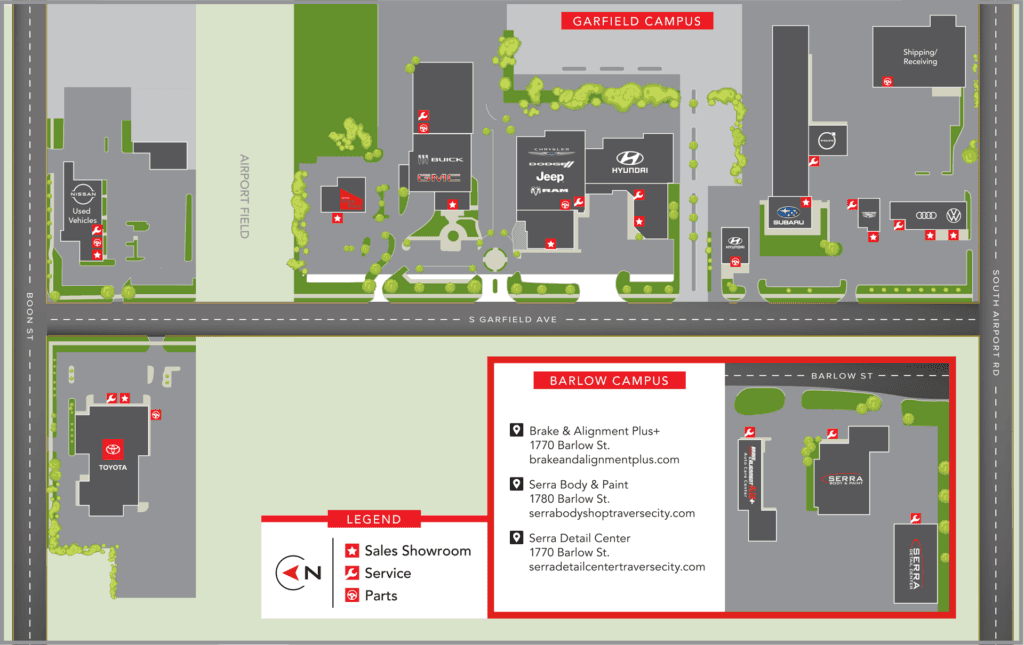
Serra Traverse City has Body Shop Locations on Garfield and on Barlow
If you need an estimate on your car for body work, Serra Traverse City has two body shops for your convenience. One is located at 1780 Barlow St and the other is located at 1747 S. Garfield Ave behind Subaru. As you can imagine, both shops stay busy this time of year. Both shops have…